

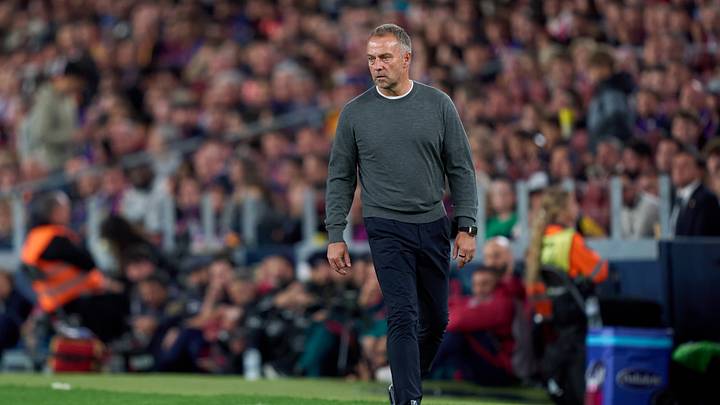
Barca had possession, had more shots, and more corner kicks. Real Madrid still walked away with the Clásico victory. That tells you plenty about where things went wrong for Hansi Flick's side. The 2- 1 loss at Camp Nou was frustrating, but the game was not the only problem. Even though Barcelona were dangerous in attack, they were punished time and again when possession changed. For a club with Barcelona's ambitions, that's a problem that needs attention now, not after another damaging European night.
The stats tell only half the story
The final numbers were that Barcelona had 62 percent possession and 18 shots while Real Madrid had 10 shots. The home side also had six shots on target against five for Real Madrid. But what good is controlling a match if the opposition can hurt you whenever it finds space? The problem was not that Barcelona had to keep possession of the ball. They simply had to be patient, read the situation, and use the weaknesses of their opponents' defense once it had been exposed.
This is what makes it so difficult to accept this defeat. Barcelona created enough to get something out of the match, but the defense gave Madrid a way back into the contest whenever the game opened up. Against lesser opposition, those mistakes might go unpunished. Against Madrid, PSG, and Europe's other elite sides, they rarely stay hidden for long.
Barcelona had its own momentum
The Los Blancos were on fire in their game Clásico, having recently beaten Villarreal, Roma, Sevilla, and RB Leipzig. In four games, Real Madrid managed to score 13 goals and conceded five. Barcelona could also be quite confident about their recent performances. The victories against Galatasaray and Real Betis showed how strong this team was. Nevertheless, the defeat of Paris Saint-Germain by 4-2 should be remembered. The issue isn't that Barcelona lost to a strong opponent. It happens.
The concern is how familiar the problems looked when PSG found opportunities to attack. The same is true of Madrid, which was able to pass, create opportunities, and apply pressure on its rival, but it found itself having difficulties keeping control of the match whenever the other side pushed forward. Injuries to key players have not aided their cause, and Flick has had to deal with the issue of his new team selection.
However, injuries do not explain everything, and defensive positioning, recovery runs, and the area behind the backline require close examination.
January cannot come soon enough
Flick has previously stressed that trophies aren't won early in the season. He's right. Barcelona have time to recover, and one Clásico doesn't decide an entire campaign. But that argument cuts both ways. If there’s still time to change things, there’s also time to resolve issues before they get even costlier. Barcelona's administration needs to figure out whether some tactical changes will suffice or whether it has to make recruitments in January.
A new defender won’t necessarily be the answer, but ignoring the signals being sent could be just as foolish. Fans deserve better from players who earn hefty paychecks as well as from the administration that assembles the side that will fight for the trophies. That's the reality of playing for Barcelona. The season is far from over. Flick could yet have the last laugh, and his confidence could look justified when the trophies are handed out.
But if Barcelona keeps giving elite opponents opportunities on the counterattack, the consequences could be much worse when the Champions League reaches its decisive stages. Barcelona doesn't need to win every statistic. It needs to stop giving away the moments that decide matches.
 Add us as a preferred source on Google